Folklore & History of Northumberland
The Borderlands are a place where stories from many traditions weave together. Their history is colourful and often violent, and the stories reflect that. One of my strong interests in storytelling is in fitting a story to its geographical, cultural and historical contexts. On this page I present a brief (and very incomplete) history of Northumberland and the Border, and a little of my take on how it interacts with the folklore.
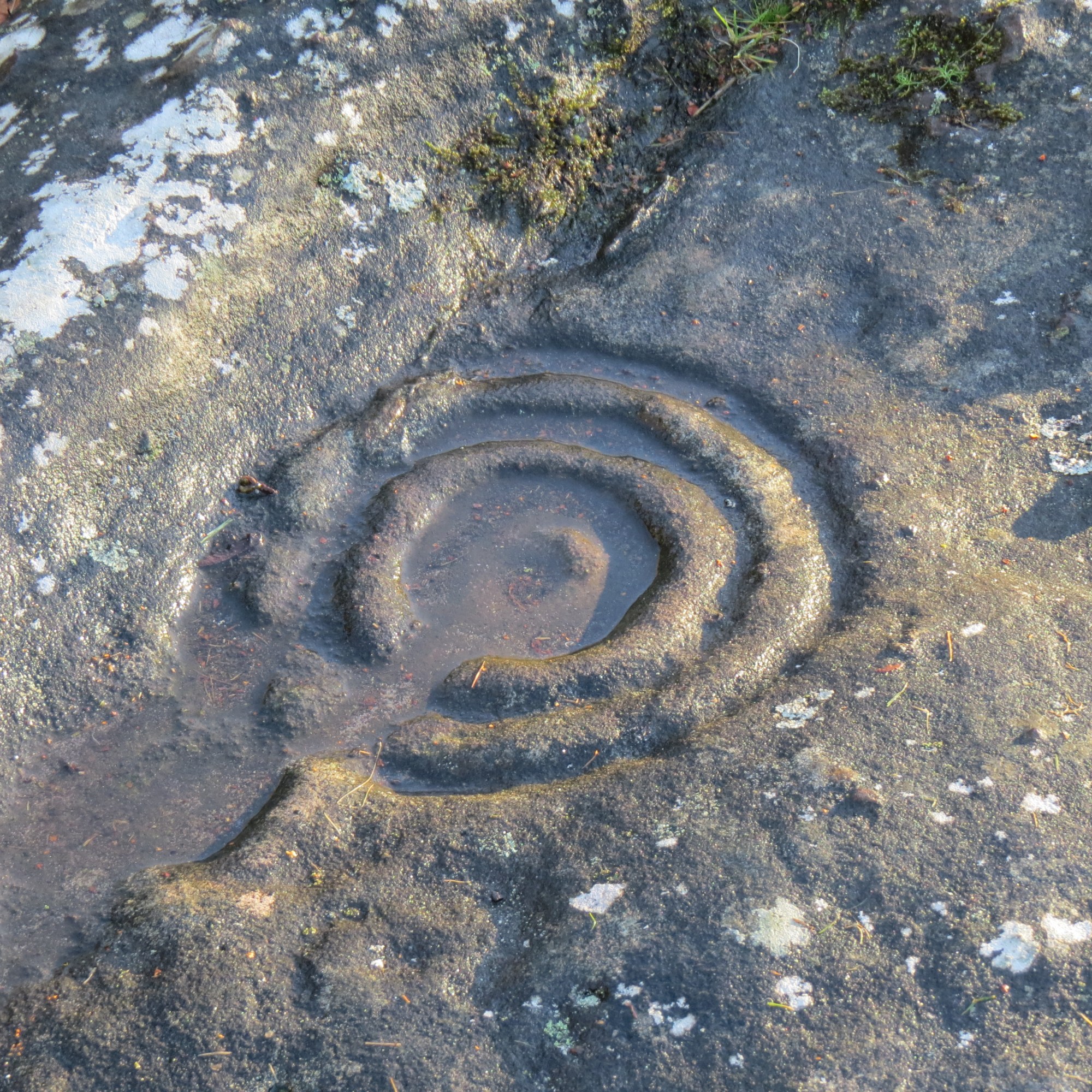
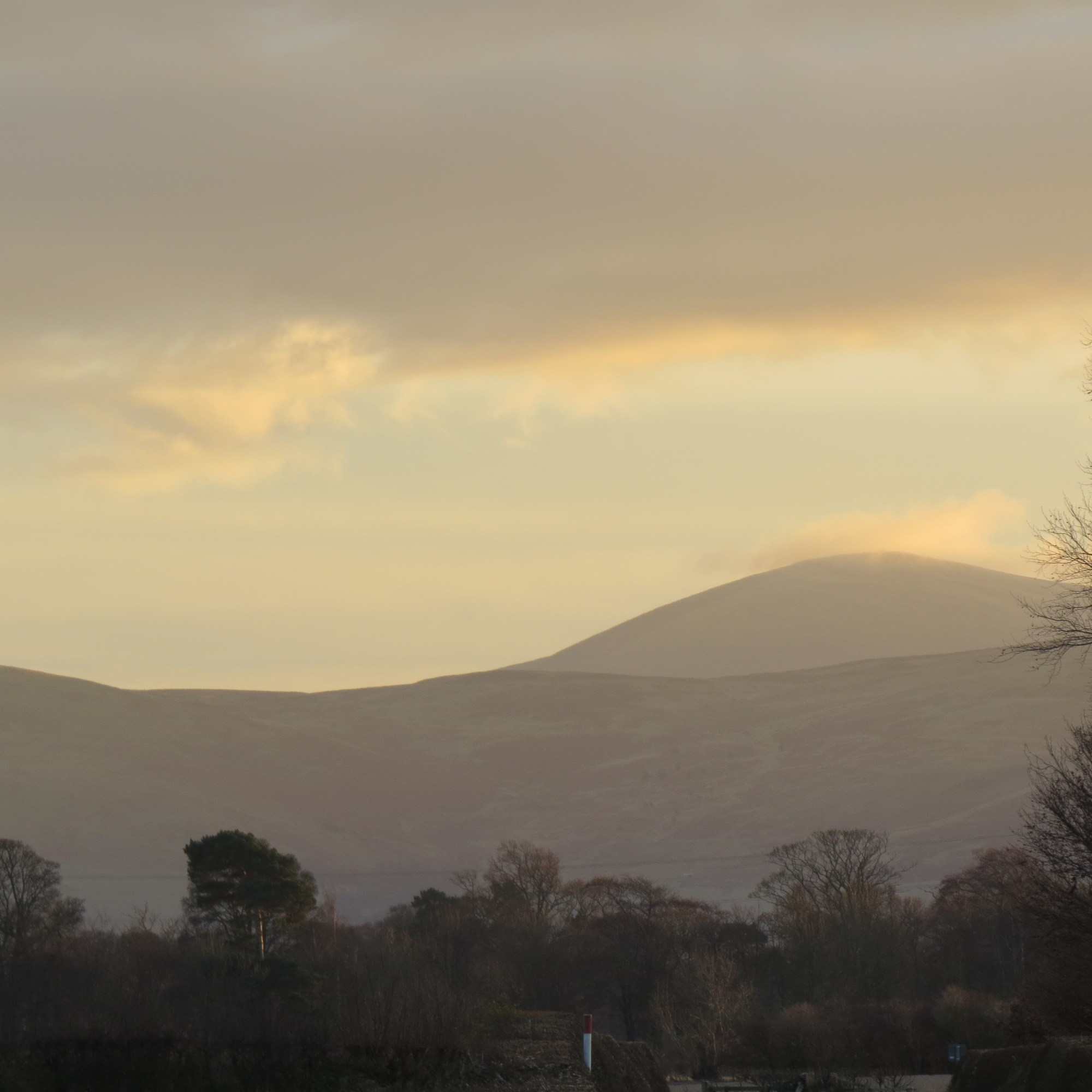
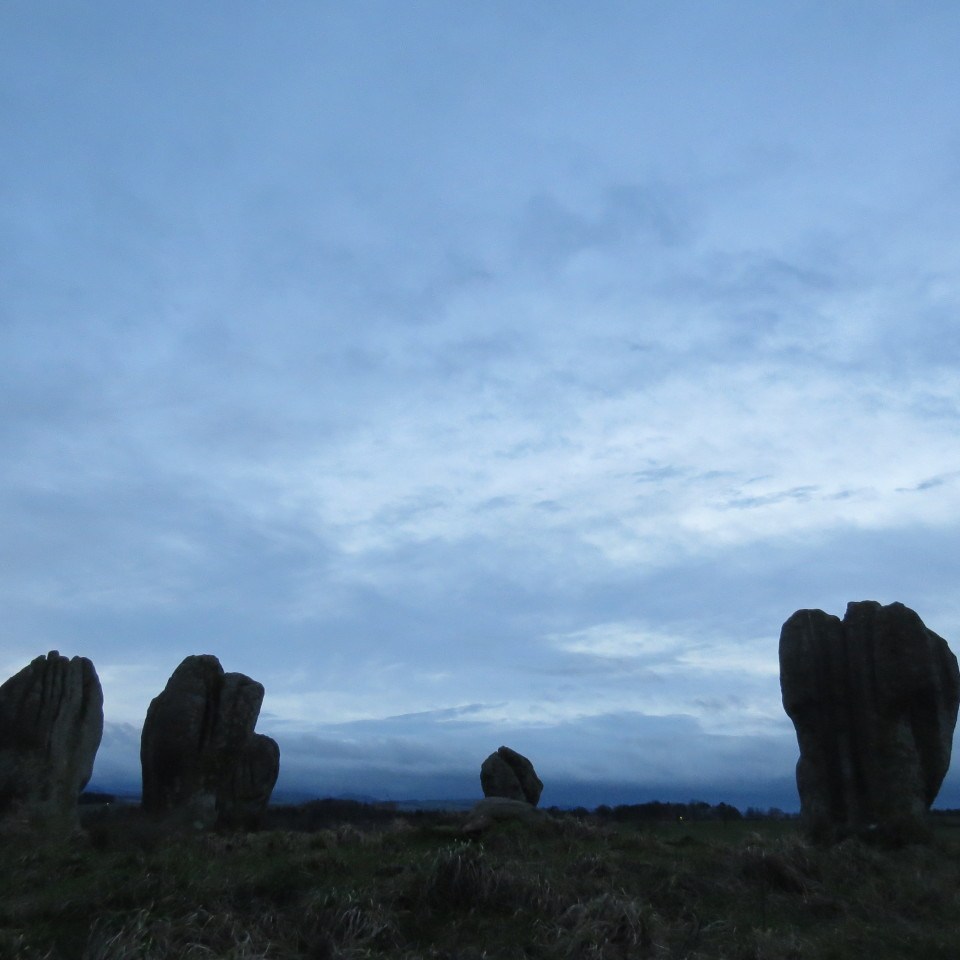
MARKS IN AN ANCIENT LAND
Prehistoric remains show us that people have lived on either side of the border for many thousands of years. Ancient rock carvings, especially the distinctive circular cup and ring marks, are particularly prevalent in Northumberland, and standing stones, stone circles, and ring henges tell a story of continuous habitation and suggest a ritual-based culture. Later, numerous Iron Age forts were built to cap the hills of the Cheviot range, while cropmarks reveal lowland settlements in the valleys.
We know very little about those early people, but it may be that some of our traditional stories have their origins rooted in that distant past, when life was entirely dictated by the seasons and the terrain. It’s been shown that some of the earliest stories in the world may be as much as 6000 years old, and many stories seem to reflect ancient pre-occupations, values and beliefs.
THE ARMIES OF ROME
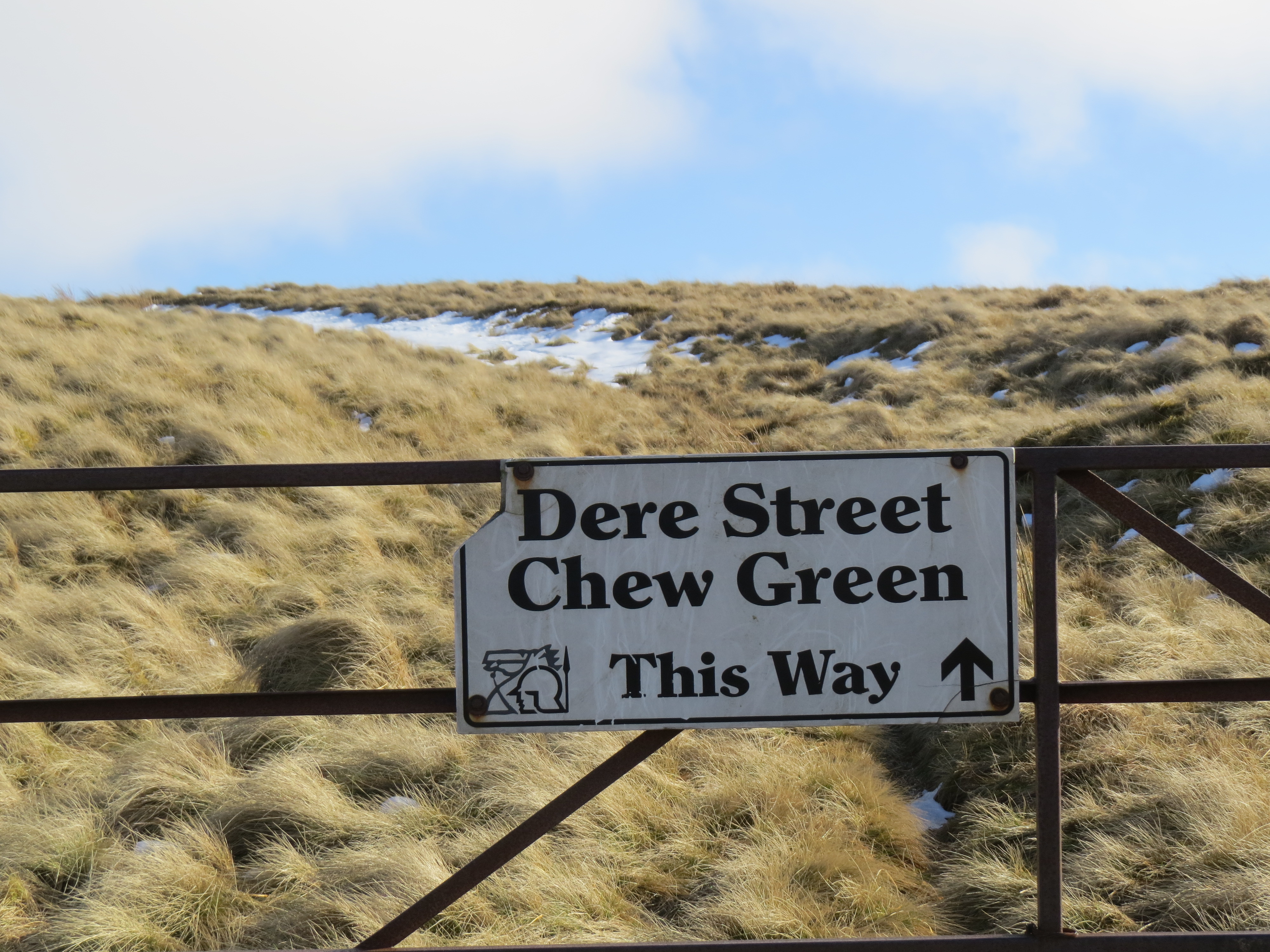
Most of Northumberland is north of Hadrian’s Wall. The Wall itself dominates the Roman history of southern Northumberland, its remains a trace of the power that stamped itself on the land. The area to the north was only ever temporarily occupied by the Romans, but did not escape Roman influence. Several Roman roads run north through the county, and at times there was a significant military presence well into southern Scotland.
After the Roman departure in the fifth century, the region fell, with the rest of Britain, into an era of lawlessness and technological regression commonly known as the Dark Ages.
During this period, the population remained Brittonic (Celtic), as they had been during the Iron Age. The Brittonic name for this region, as recorded by Welsh scribes, was Bryneich.
THE GOLDEN AGE
The arrival of Germanic tribes from the continent rapidly transformed the region. The story goes that in 547, Anglian King Ida captured the British stronghold of Din Guyaroi or Din Gardi, which was renamed Bebbanburgh, after Ida’s queen, Bebba. This was Bamburgh, on the Northumberland coast, which Thomas Mallory later identified as Lancelot’s Joyous Gard of Arthurian legend. Elements of this story are mythical, especially the Arthurian link, but it’s certain that Bamburgh was an important royal site in the Anglian kingdom that become known as Bernicia.
In 634, Bernicia was united with the kingdom of Deira to form Northumbria. It was a time of frequent warfare, constantly fluctuating kingdom borders, changing dynasties, and Pagan traditions clashing with incoming Christianity,
During this time, Northumbria rose to be the most powerful kingdom in Britain. At its height, in the 680s, it stretched from the Humber to the Forth. As Christianity became firmly established, the great monasteries of the kingdom flourished, producing great art work and literature, such as the Lindisfarne Gospels and the writings of the historian monk, Bede.
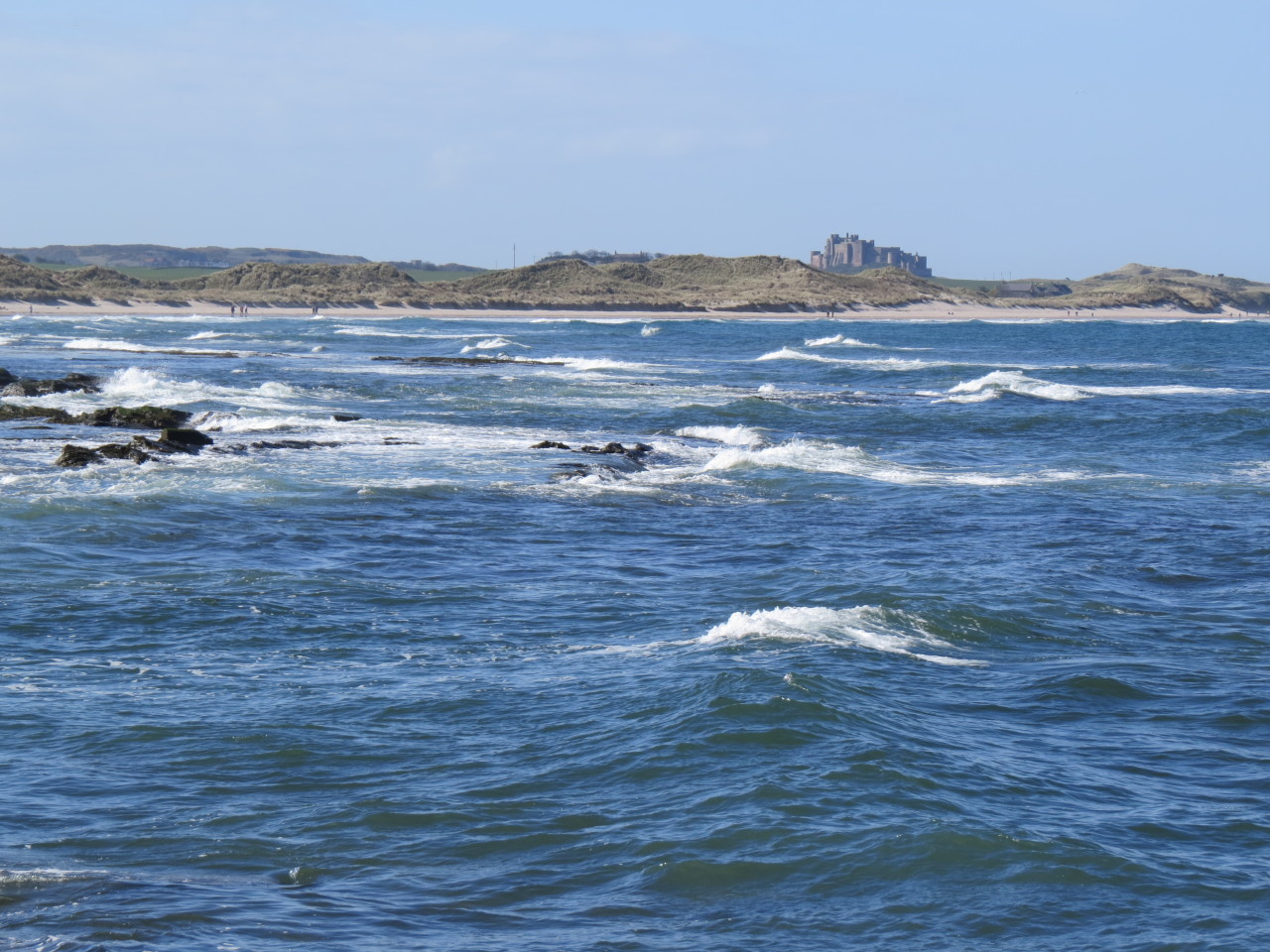


From 793, the coast fell prey to Viking raids, and in the ninth and tenth centuries, Northumbria came under intermittent Danish rule, as part of the Danelaw. In 937, a decisive victory by English King Aethelstan finally drew Northumbria into a more-or-less united England, but Scottish incursions in the early eleventh century resulted in the land north of the Tweed becoming part of the emerging Scotland, thus establishing, for the first time, something approximating to the modern border.
THE KINGDOM IN LEGEND
The influence of this period looms large in local minds and stories. Tales of Saint Cuthbert and Saint Aidan, of Edwin and Paulinus, of Aebbe of Coldingham, are firmly established in folklore. Saint Cuthbert’s name can be found everywhere from the names of Northumbrian schools to the local nickname, ‘Cuddy Duck’, for the eider duck.
It’s been suggested that the repeated stories of ‘worms’ or dragons that terrorise the countryside might have their origins in the carved dragons on the prows of Viking longboats, although this is dubious. Both Lindisfarne and the city of York still have Viking festivals every year. And many of the royal figures of folktales seem to bear a much stronger resemblance to the small-scale, peripatetic warrior-kings than to any later system of kingship.
THE WILD NORTH
After the Norman Conquest of England in 1066, much of the far north remained outside Norman dominance, setting the pattern for the rebellions and lawlessness of the region in the centuries that followed. A brutal scourging by Norman forces in the winter of 1069-70 brought the north to heel, but it remained a place on the edge, ruled by feuding lords and Wardens of the Marches, frequently at war with Scotland, and with reiving (raiding) on each side of the border and across it. English kings made numerous attempts to invade and conquer Scotland, resulting in the Scottish Wars of Independence in the 13th and 14th centuries, but Scotland remained an independent nation.
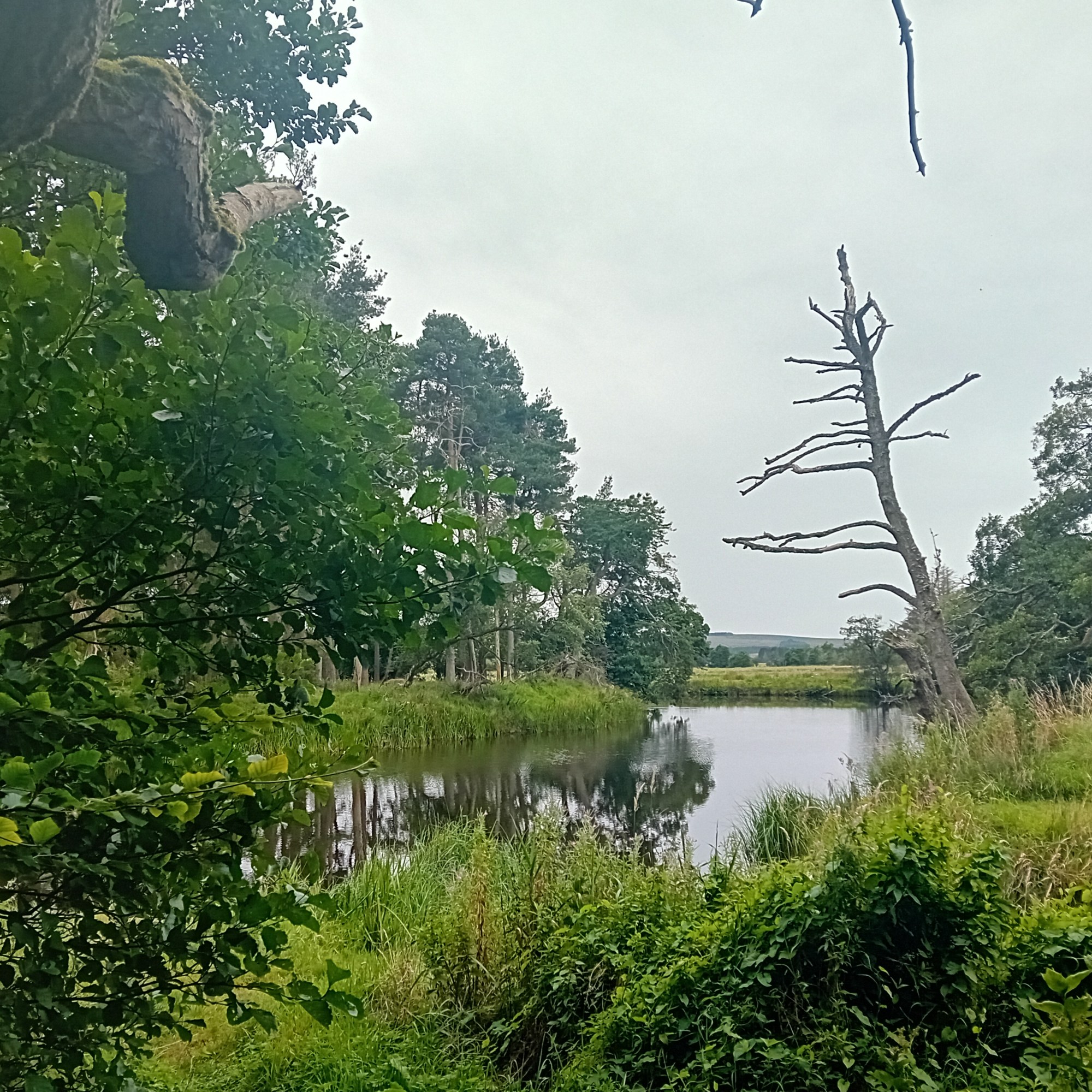
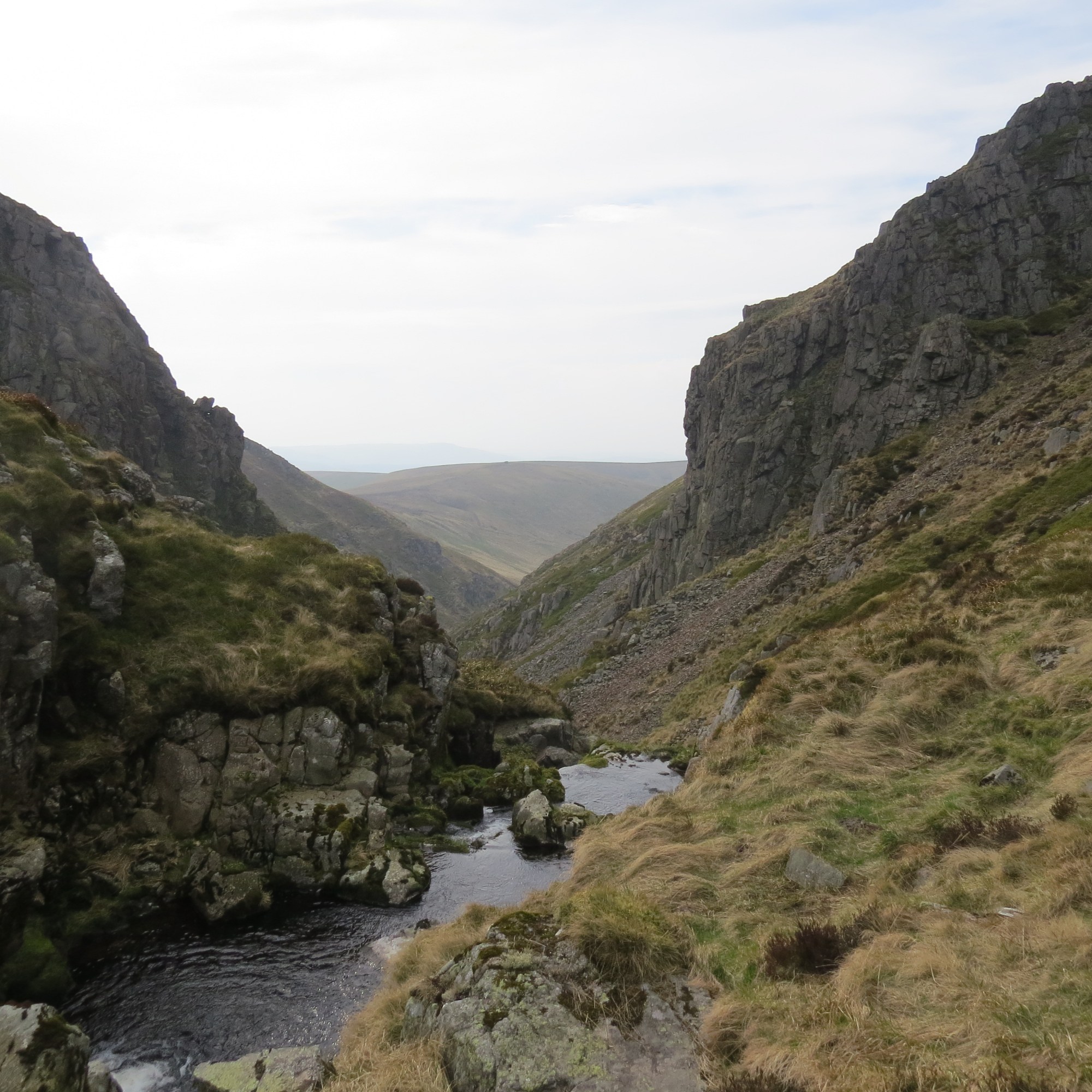
In 1377, the Percys, with their seat at Alnwick Castle, were created Earls of Northumberland (later Dukes, a title the family still holds), and various members of that family have gone down in history and infamy, including the famous Hotspur, who died at Shrewsbury in rebellion against the king. In addition to the historic Percys, legend also places a member of the family at the head of the hunting party that once disappeared after the fairy music into the Hen Hole, deep in the Cheviot Hills, never to return.
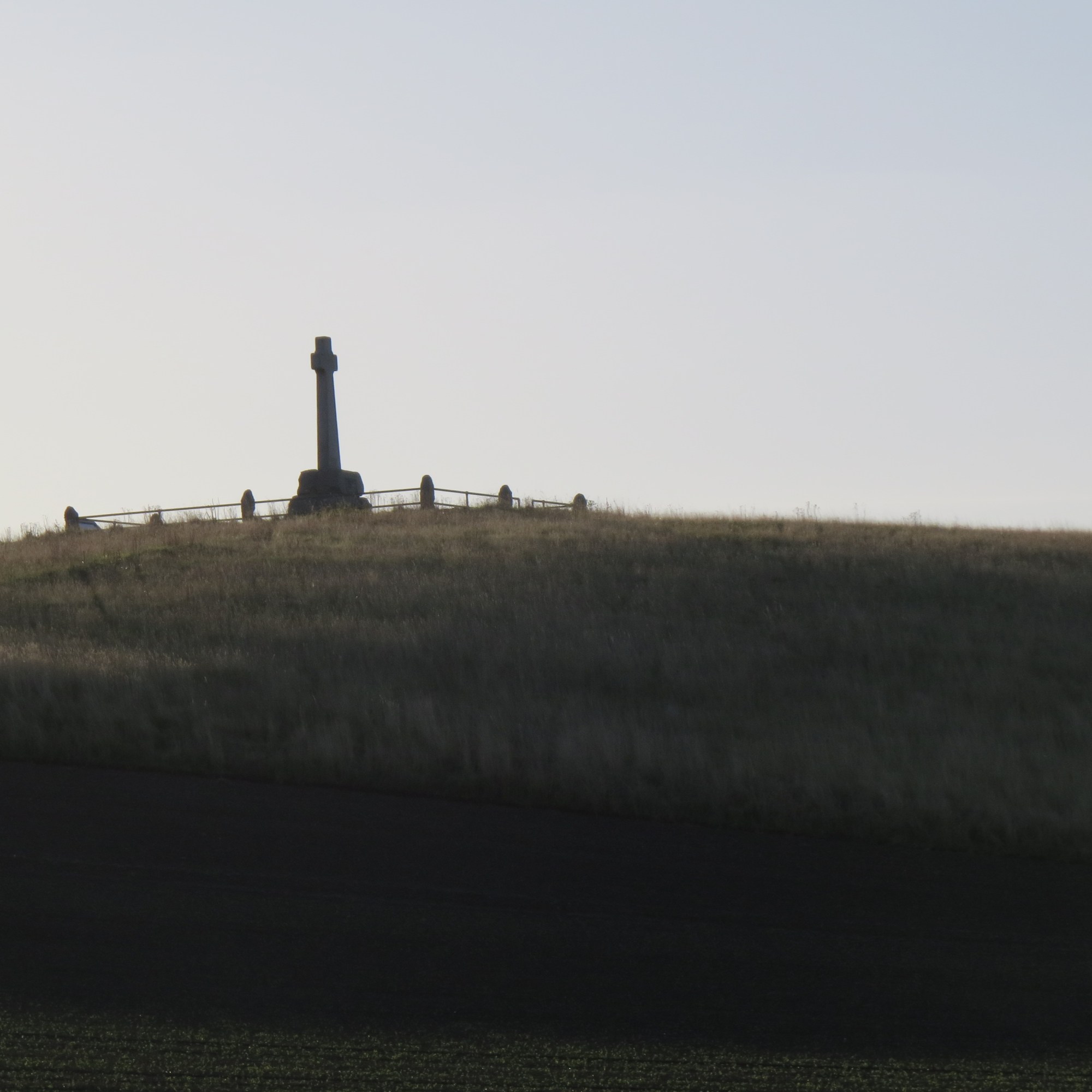
In 1513, the Battle of Flodden took place just a few miles from the border, on the English side. Scottish forces, under James IV, marched over the border, but the ensuing battle resulted in their total defeat. Thousands of Scots were killed, including many noblemen and the king himself, and the battle is immortalised in songs and ballads.
THE TROUBLESOME TIMES
Flodden was the last major battle fought between the kingdoms of England and Scotland, but the Border Reivers remained active until the beginning of the 17th century.
The great families responsible for the reiving resembled in many ways the Highland Clans in their organisation; they came from both sides of the border, and their feuds were based more on family name and loyalty than nationality. Many of the Reiver surnames are common in the Borderlands today, and the fortified houses, or ‘bastles’, and pele towers that they built can still be seen, some in ruins or in use as barns, others forming part of larger, later-built houses.
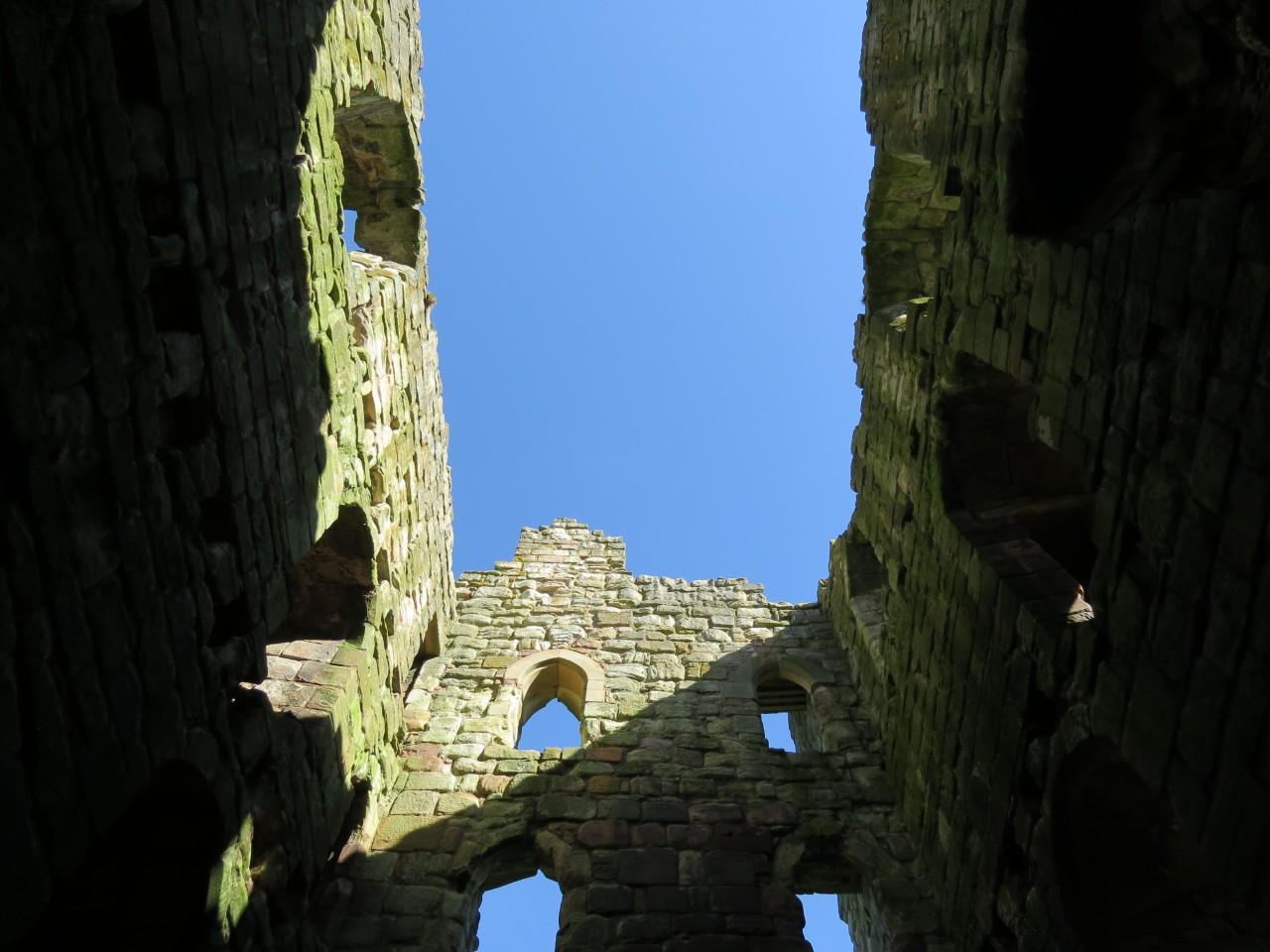
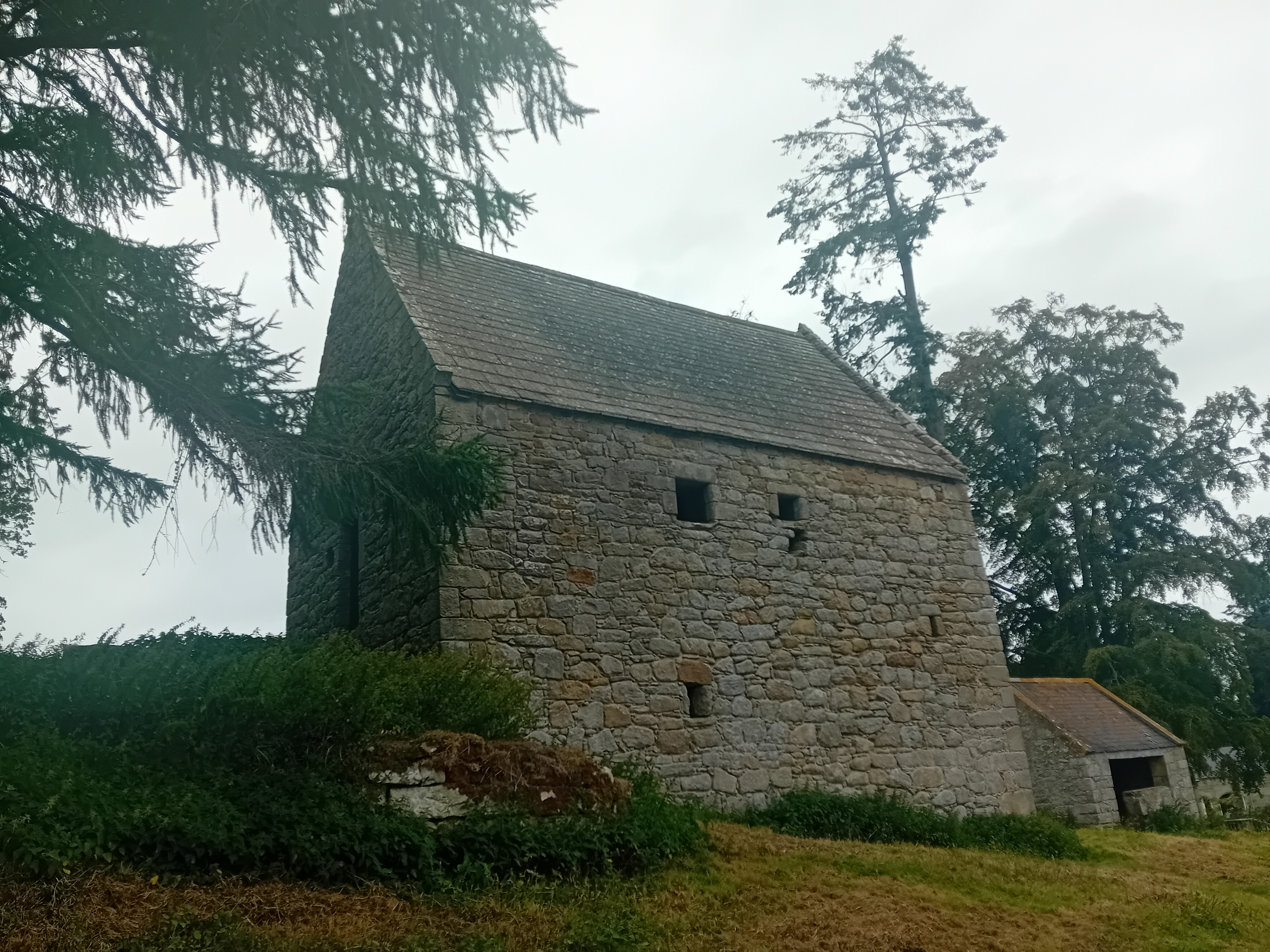
These times of warfare and raiding remain strong in folk memory, as well as in the history books. As late the early twentieth century in Northumberland, people referred to ‘the troublesome times’, as if they were talking about something that had happened in their mother or grandmother’s time, rather than something belonging to the distant past. Many Reivers, and battles or feuds between Reivers, feature in our stories, sometimes in the form of the tale of a humorous but lovable rogue, but at other times dipping deeper into the dark violence that must have been the reality of those years. Several stories mention secret passages or chambers under houses, and lost stashes of stolen treasure, and these must surely also have their origins ‘in the troublesome times’.
With the Union of the Crowns in 1603, warfare between the kingdoms ended, and James I and VI clamped down on the Reivers, hanging or transporting many offenders. However, it was some time before peace was fully established.
REBELLION AND REFORM
During the Jacobite Rebellion of 1715, many of the chief Northumbrian families declared for James Stuart, and were ruined by the subsequent Jacobite defeat. Some leading Northumbrian nobles were captured, and executed or transported. The young Lord Derwentwater is said to have lived in hiding for some time, protected by the local population, before finally being caught.
1715 marked the final breaking-up of the wild Border families and the end of any notable Northumbrian rebellion.
The eighteenth and early nineteenth century saw many agricultural reforms, including the Enclosure Acts, which restricted the rights of the people to access common land and changed the face of the British countryside. The old castles and fortified houses were rebuilt as comfortable Georgian and Victorian stately homes. Lands that had been repeatedly laid waste during the centuries of war and raiding became thriving, fertile farmland.
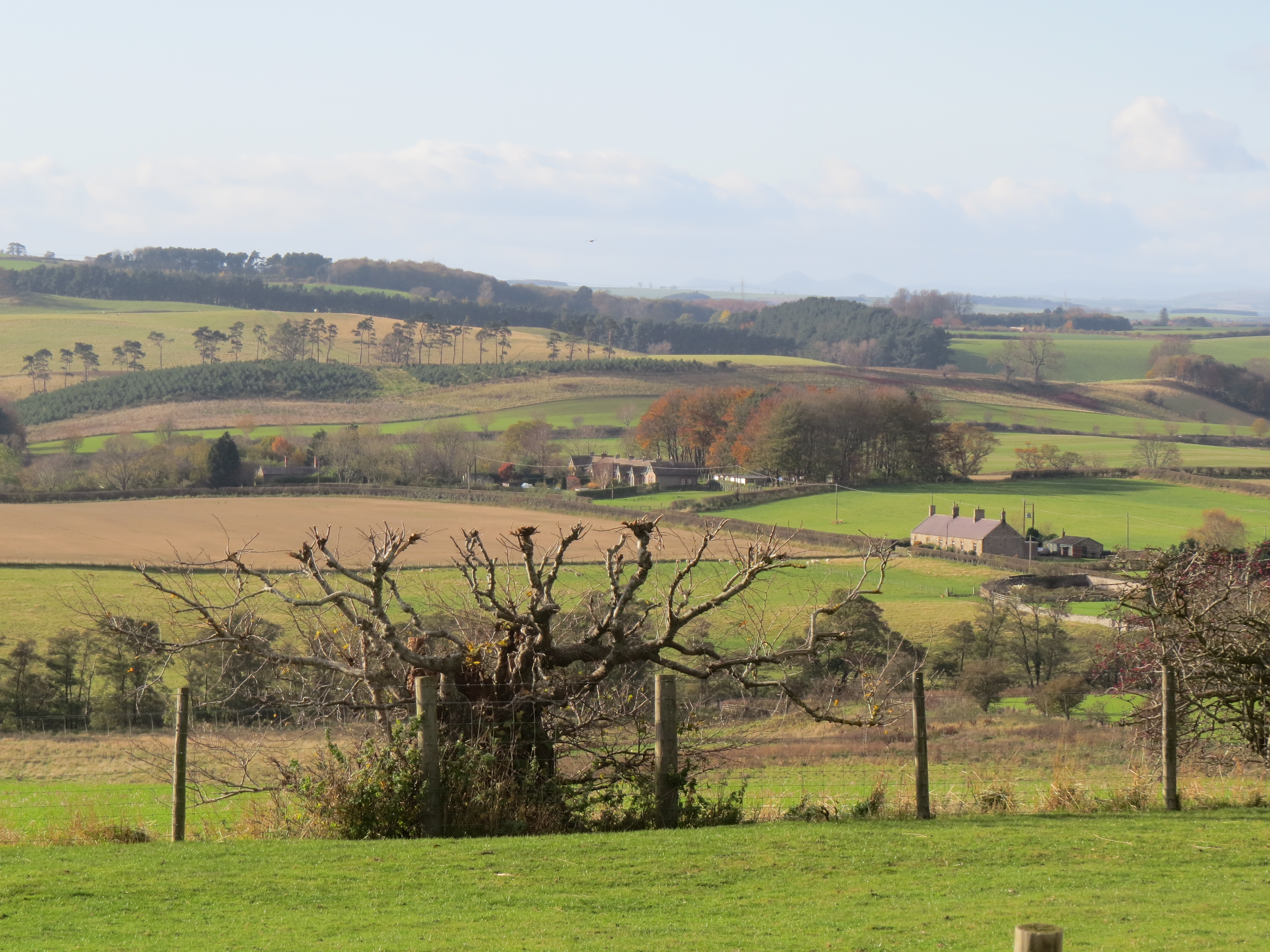
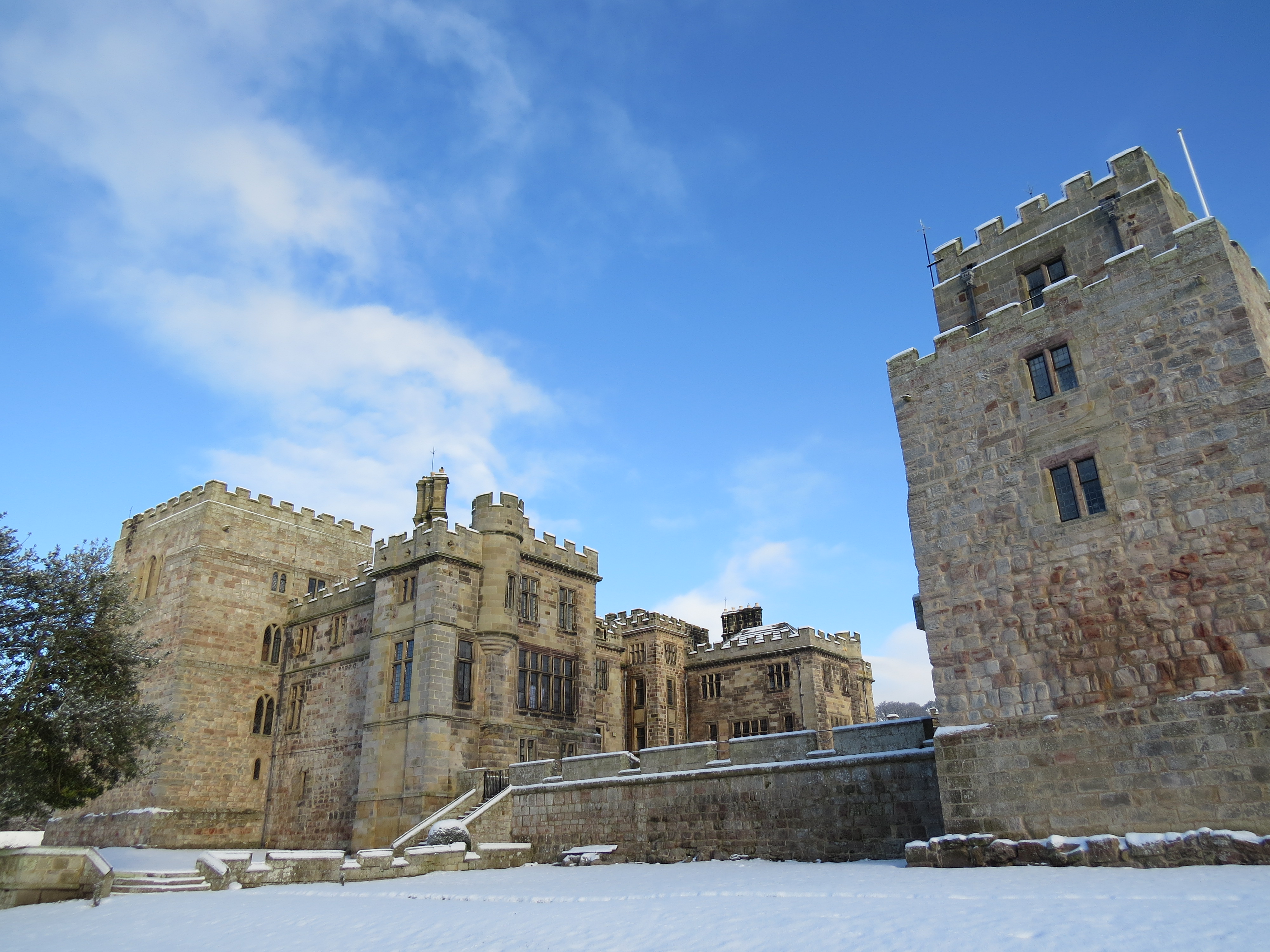
With the advance of the Industrial Revolution came the growth of the coal mines, particularly in the south of the county, and of Newcastle’s shipbuilding industry. Although the majority of Northumberland remained rural, far to the north of the mills and factories of Yorkshire and Lancashire, increased mechanisation and easier transport links led to the gradual depopulation of the countryside. Hamlets and villages that had supported their own blacksmiths, tailors, carpenters, weavers, schools, and more, dwindled to isolated farms with a few cottages. With the people went a wealth of story and song, custom and community.
TENDING THE FLAMES
But some of the old ways remained. Northumberland and the Borders were some of the last regions to retain the old Hirings Fairs and the ‘flittings’, the custom by which farm workers often moved from farm to farm every year, going to the annual fairs to find new employment. These continued well into the twentieth century, as did the system of Bondagers, female workers provided by the ‘hinds’, or male farm labourers, as part of the bond between them and their employer.
And in folklore and song, the still older times are remembered. The stories we tell may be myths and legends, but they are the memory of a people and a place. Our Border landscapes are built of stories; they saturate the earth we walk on, are whispered by the wind across the open moor, and cried by the gulls that wheel above the raging North Sea.
So let’s draw close around the fire, and remember.
 Spindrift Stories